
Many men wake up one day and notice a strange curve or a hard lump in the penis. This discovery often leads to worry and confusion. You might wonder if you did something wrong or if the condition is permanent. At Kansas Regencares, we know how stressful this is. Understanding what causes Peyronie’s disease is the first step toward finding a real solution.
The good news is that medical science has evolved. We no longer have to rely solely on invasive surgeries that carry high risks. By focusing on regenerative medicine for men’s health, we can now treat the root cause of the problem.
In this guide, we will dive deep into the biological triggers of this condition and how modern therapies can help you heal.
What Causes Peyronie’s Disease? The Main Culprits
The exact reason why one man develops this condition while another does not is still being studied. However, most experts agree on a few primary factors. It is usually a mix of physical events and your body’s unique way of healing.
Penile Trauma and Micro-trauma
The most common answer to what causes Peyronie’s disease is penile trauma. This does not always mean a major accident. In fact, many men do not even remember a specific injury.
- Micro-Trauma During Sex: This involves small, repetitive injuries. If the penis bends slightly too far during intercourse, it can cause tiny tears in the tissue.
- Sports Or Accidents: A sudden hit or a “penile fracture” during activity can trigger the scarring process.
The Role of the Tunica Albuginea
To understand the cause, you must know about the tunica albuginea. This is the stretchy sheath of tissue that surrounds the erectile chambers. When an injury happens here, the body rushes to fix it. In men with Peyronie’s disease, the healing process goes wrong. Instead of flexible tissue, the body creates a stiff, fibrous scar tissue known as a plaque.
Genetic Predisposition and Health Factors
Not every man who experiences penile trauma will develop a curve. This suggests that a genetic predisposition plays a large role. If your father or brother had the condition, you may be more likely to develop it yourself.
Related Conditions
There is a strong link between Peyronie’s and other connective tissue disorders. One common example is Dupuytren’s contracture. This is a condition where the fingers pull inward toward the palm due to scarring. If you have this, your body may be “programmed” to create excess scar tissue.
Is Peyronie’s Disease Common?
Many men ask, is Peyronie’s disease common? Research shows it affects up to 10% to 15% of men, especially those between the ages of 40 and 70. It is much more frequent in men who also deal with:
- Diabetes or high blood sugar.
- High blood pressure.
- Tobacco use, which slows down the healing of blood vessels.
Symptoms of Peyronie’s Disease: What to Look For
The symptoms of Peyronie’s disease usually appear in two stages. Recognizing them early can make Peyronie’s treatment much more effective.
The Acute Phase of Peyronie’s
This is the early stage, lasting anywhere from 6 to 18 months. During this time, the plaque is still forming.
- Painful Erections: You may feel a sharp or dull ache when the penis becomes hard.
- What Causes A Curved Penis Suddenly: You might notice a bend developing over a few weeks.
- Lump In The Penis: You can often feel a hard, flat spot under the skin.
The Chronic Phase
Once the inflammation goes down, the condition enters the chronic phase.
- Penile Curvature: The bend becomes stable and stops changing.
- Penile Indentation: The penis might look narrowed, like an hourglass.
- Erectile Dysfunction: It may become harder to maintain a hard penis because the plaque interferes with blood flow.
Is Peyronie’s Disease Dangerous or Permanent?
A major concern for patients is whether Peyronie’s disease dangerous. The condition is benign, meaning it is not cancer. It will not spread to other parts of your body. However, it can be “dangerous” to your mental health and relationships if left untreated.
Regarding whether Peyronie’s disease is permanent, the answer is usually yes if you do not seek help. While the pain might go away on its own, the penile curvature rarely straightens out without medical intervention. This is why learning how to fix a penile curvature early is so important.
How Regenerative Medicine Can Help
At Kansas Regencares, we specialize in regenerative medicine for men’s health. Instead of cutting away tissue, we use the body’s own healing power to break down the plaque.
PRP Therapy for Men’s Health
PRP therapy uses your own blood platelets to trigger healing. These platelets are full of growth factors.
- PRP for Peyronie’s Disease: When injected into the plaque, PRP signals the body to start tissue regeneration. It helps soften the scar and improve blood flow.
- Erectile Dysfunction and Peyronie’s: Because PRP improves vascular health, it often helps with the ED that comes with the disease.
Stem Cell Therapy for Peyronie’s
Stem cell therapy is one of the most advanced regenerative treatments available. Stem cells have the unique ability to turn into the type of cell the body needs.
- Tissue Repair: We use stem cells to replace the stiff fibrous scar tissue with healthy, elastic fibers.
- Long-term Results: This helps the penile curvature disease improve from the inside out.
Shockwave Therapy
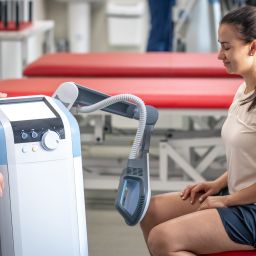
Shockwave therapy uses low-intensity sound waves. These waves travel into the penis and create “micro-breaks” in the hard plaque. This triggers the body to send fresh blood to the area, assisting in a non-surgical penile repair.
How to Cure Peyronie’s Disease Without Surgery
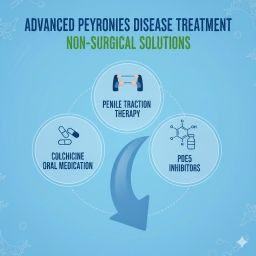
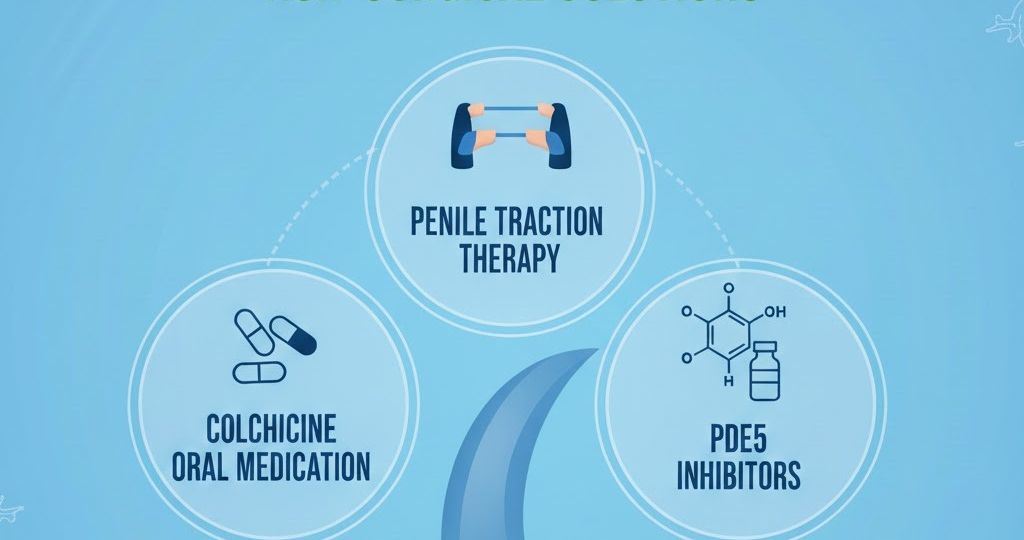
At our clinic, we don’t just use one method. We might combine shockwave therapy to break the plaque, PRP therapy to heal the tissue, and penile traction therapy.
- Penile Traction Therapy: This involves wearing a device that gently stretches the penis. When the plaque is softened by regenerative treatments, traction helps “mold” the penis back to a straight shape.
- Can Peyronie’s Disease Be Cured Without Surgery?: With this multi-step approach, many men see significant straightening without ever needing a knife.
Surgery vs. Non-Surgical Treatment for Peyronie’s
It is important to weigh your options. When looking at surgery vs. non-surgical treatment for Peyronie’s, there are big differences.
- Surgery: Can involve “plication” (which shortens the penis) or “grafting” (which can cause numbness). It often requires a long recovery time.
- Non-Surgical: Options like PRP therapy and stem cell therapy have almost no downtime. They focus on restoring the penis rather than shortening it.
Why See a Peyronie’s Disease Specialist in Kansas?
If you live in the Midwest, seeking out a Peyronie’s disease specialist in Kansas is vital. At Kansas Regencares, we stay on the cutting edge of these treatments. We understand the biology of what causes Peyronie’s disease and how to reverse the damage.
Our team provides a private, comfortable environment. We focus on Peyronie’s disease treatment that respects your body and your time. You don’t have to settle for “watchful waiting” while the condition gets worse.
Conclusion
Understanding what causes Peyronie’s disease helps take the mystery and fear out of the condition. Whether it was caused by micro-trauma during sex or a genetic predisposition, there are ways to fight back. You can address penile curvature, painful erections, and penile indentation without the risks of traditional surgery.
At Kansas Regencares, we are committed to helping you find the right path. Our advanced Peyronie’s treatment options are designed to help you regain your confidence and your quality of life.
Visit our website and schedule your consultation!