

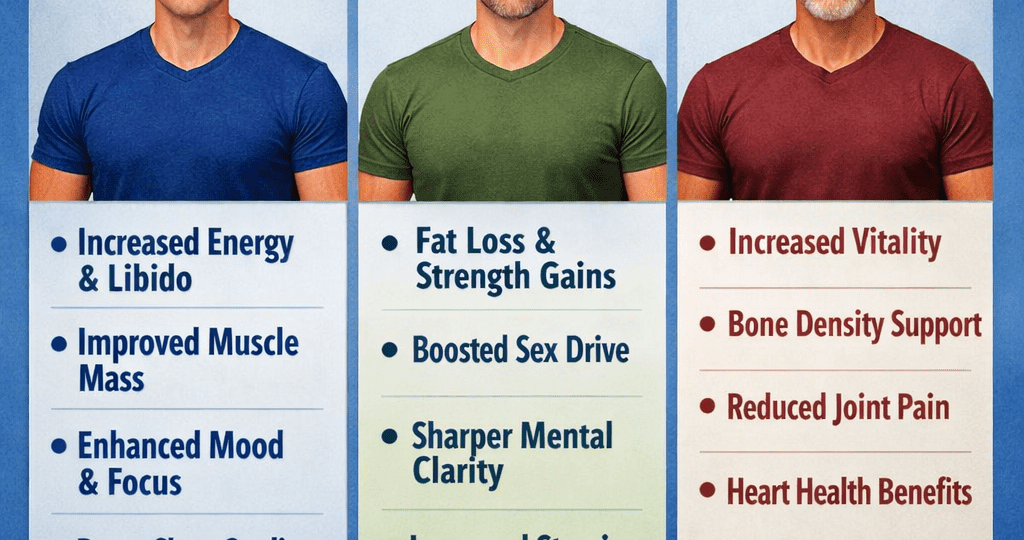
Most men don’t notice the shift right away. Energy dips a little. Sleep gets lighter. The drive that used to feel automatic starts to fade. Then comes the moment when a man wonders if this is just how aging feels, or if something else is going on.
For millions of men, that something else is low testosterone.
Testosterone Replacement Therapy (TRT) has helped men reclaim their energy, strength, libido, and mental clarity. But one question keeps coming up: does age matter when it comes to TRT results?
The short answer is yes, it does.
Your age when you start TRT affects how fast you see results, what benefits show up first, and what realistic expectations look like.
This guide breaks it all down by decade.
What Is TRT and How Does It Work?
TRT stands for testosterone replacement therapy. It is a medically guided treatment that restores testosterone to a healthy range in men whose levels have dropped too low. The treatment is available in several forms, including injections, gels, patches, and pellets.
When testosterone is low, the body misses out on its role in regulating energy, fat distribution, muscle mass, mood, libido, bone strength, and red blood cell production. TRT brings those levels back up so the body can function the way it should.
At Kansas Regencares, physician-led TRT in Kansas is built around personalized care. That means treatment is not one-size-fits-all. The plan depends on your bloodwork, your symptoms, and your health history.
Why Age Matters for TRT Results
Testosterone does not drop off a cliff overnight. Research shows that levels begin declining at roughly 1% per year after the age of 30. That gradual loss adds up. By the time a man reaches his 40s or 50s, the cumulative drop can be significant enough to cause real symptoms.
But here is the important part: how far your levels have fallen, and how long you have been living with low T, both influence how your body responds to TRT treatment.
Men who start earlier, when the decline is more moderate, often see faster changes. Men who start later may need more time for certain benefits to develop, but they can still see meaningful improvements across multiple areas of health.
Low testosterone symptoms by age also tend to shift. A man in his 30s might notice low libido and mood changes. A man in his 50s might deal more with fatigue, muscle loss, and weight gain. Understanding these patterns helps set realistic expectations before treatment begins.
Signs of Low Testosterone Men Should Not Ignore
Before getting into age-specific TRT results, it helps to understand what low T actually looks like. Signs of low testosterone in men can include:
- Persistent fatigue that does not improve with sleep or rest
- Reduced sex drive that feels like a gradual disappearance of interest
- Erectile dysfunction or difficulty maintaining performance
- Loss of muscle mass even when staying active
- Weight gain, especially around the belly, is linked to changes in metabolism
- Mood changes such as irritability, low motivation, or mild depression
- Brain fog and difficulty concentrating
- Poor sleep quality, including trouble staying asleep through the night
- Decreased bone density, which can increase fracture risk over time
If several of these sound familiar, it may be worth getting your testosterone levels checked. A simple blood test can confirm whether low T is contributing to what you are experiencing.
TRT Results in Men in Their 30s
Men in their 30s are not the most common age group seeking TRT, but the number is growing. Testosterone levels in men in their 30s can already dip below normal due to factors like chronic stress, poor sleep, obesity, or underlying health conditions.
For men in this decade, the testosterone decline is usually more moderate. That means the body often responds quickly and robustly to therapy.
What Men in Their 30s Typically Experience
TRT for men in their 30s tends to produce some of the most noticeable early results. Because the body still has strong receptor sensitivity and overall health tends to be higher in this group, the response window can be faster.
Common early results include:
- Energy levels rising within weeks: Many men report feeling sharper and less fatigued within the first two to four weeks of starting therapy.
- Mood improvements: Irritability and low motivation often ease up relatively early. Testosterone plays a real role in emotional regulation.
- Libido returning: For men who noticed a decline in sexual interest, that drive often starts to come back in the first few weeks.
- Better sleep: Sleep quality tends to improve as hormone levels stabilize, which creates a positive ripple effect on everything else.
By the three to six-month mark, men in their 30s often see more visible changes in body composition. Muscle responds well at this age when combined with resistance training. Fat loss, particularly around the abdomen, becomes more noticeable.
One thing worth mentioning for men in their 30s: TRT suppresses natural sperm production. If fertility is a consideration, this needs to be discussed with your physician before starting. Some approaches can help preserve fertility alongside TRT, but the conversation has to happen early.
TRT Before and After 40
The 40s are when most men start to feel the effects of testosterone decline more consistently. Research estimates that somewhere between 6% and 12% of men in their 40s have biochemically confirmed low testosterone. That number may actually be higher when accounting for men who are symptomatic but not yet tested.
TRT before and after 40 is one of the most searched and discussed topics in men’s health, and for good reason. This decade is often the turning point where men stop attributing symptoms to stress or lifestyle alone and start looking for real answers.
What Changes After Starting TRT in Your 40s
For men in their 40s, the TRT timeline and results typically follow a recognizable pattern:
Weeks 1 to 4
Energy begins to improve. Sleep quality often shifts noticeably. Some men report reduced irritability and a clearer mental state even in the first few weeks. These early gains are encouraging, but they are just the beginning.
Months 1 to 3
This is when many men start to feel like themselves again. Libido improves meaningfully. Motivation returns. The mental fog that had become a daily norm starts to lift. Physical recovery after workouts becomes easier.
Months 3 to 6
Body composition starts to shift more visibly. Lean muscle mass increases, especially in men who are training with weights. Abdominal fat begins to decrease. Metabolic markers like insulin sensitivity and triglyceride levels often show improvement during this period.
6 months and beyond
By the six to twelve-month mark, most men in their 40s on a well-monitored TRT plan are reporting sustained improvements across the board. Energy is stable. Mood is better. Physical performance has improved. TRT effects on bone density also begin to accumulate over this longer period.
Men in their 40s also tend to be in a strong position when it comes to recovery from the metabolic changes that come with low T. The body is still responsive enough to see meaningful improvements in fat distribution and muscle gain.
At Kansas Regencares, men starting TRT in their 40s go through a thorough evaluation before treatment begins. Blood panels are reviewed, symptoms are discussed, and the plan is tailored to each individual. Ongoing monitoring ensures results are tracked and dosing is adjusted as needed.
TRT Before and After 50
TRT before and after 50 is increasingly well-supported by clinical research. A 2025 review published in PMC found that TRT in men 50 and older with confirmed low testosterone consistently improved sexual desire, lean body mass, bone mineral density, insulin sensitivity, and overall vitality.
By the time a man reaches his 50s, testosterone levels may have been declining for two decades. That longer baseline of low T means some changes take more time to develop fully. But the results are real, and for many men in this age group, therapy is genuinely life-changing.
What Men in Their 50s Can Realistically Expect
TRT results in men over 50 tend to build more gradually than in younger men, but the range of benefits is broad.
- Sexual health: Improvements in libido and erectile function are among the most consistently reported benefits for men over 50. Research shows these gains typically begin within the first three months and are sustained throughout treatment.
- Muscle and physical strength: Men in their 50s see gains in lean mass, though progress is more gradual than in younger decades. Combining TRT with a consistent resistance training routine makes a significant difference.
- Energy and stamina: Fatigue is one of the most common complaints among men in this age group with low T. Most men on TRT report meaningful improvements in daily energy within the first month or two.
- Mood and mental clarity: Brain fog, low motivation, and irritability improve for many men as testosterone levels normalize. These are not minor quality-of-life changes. They affect relationships, work performance, and overall sense of well-being.
- Bone density: This benefit takes longer to show up. Measurable gains in lumbar spine density are typically seen between six and twelve months of consistent therapy. For men in their 50s, protecting bone health is increasingly relevant as osteoporosis risk rises with age.
- Metabolic health: Improvements in insulin sensitivity and fat distribution are well-documented in this age group. Men who combine TRT with healthy habits tend to see the strongest metabolic results.
Testosterone Therapy at 60 and Beyond
Testosterone therapy at 60 is a valid and well-studied option. Research confirms that the prevalence of hypogonadism rises sharply with age. The Baltimore Longitudinal Study of Aging found that hypogonadism affects roughly 20% of men over 60, 30% of men over 70, and close to 50% of men over 80.
Low T treatment for older men has become more accepted in clinical practice as long-term safety data has accumulated. The landmark TRAVERSE trial, which followed over 5,000 men aged 45 to 80 for nearly three years, found no significant increase in major adverse cardiovascular events with TRT compared to placebo.
For men in their 60s, expectations need to be calibrated thoughtfully. Results are real but tend to emerge more slowly. Sexual health, energy, mood, and muscle mass all respond to treatment, though the pace is different from younger decades.
What matters most in this age group is close medical supervision. PSA levels, hematocrit, sleep apnea, and cardiovascular markers all need regular review. When treatment is carefully managed, the risk profile is favorable, and the quality-of-life gains can be substantial.
How Long Does TRT Take to Work?
This is one of the most common questions men ask before starting therapy. The honest answer is that results come in stages, and the timeline varies based on age, baseline hormone levels, delivery method, and lifestyle factors.
Here is a general reference timeline based on clinical research:
- Weeks 1 to 2: Mood, energy, and sleep quality often improve first. These early changes can be subtle but real.
- Weeks 3 to 8: Libido typically begins to improve. Some men notice changes in sexual interest as early as the first few weeks, with full stabilization around the six-month mark.
- Months 2 to 3: Body composition changes begin. Lean muscle mass starts to increase. Measurable reductions in fat mass appear, especially with regular exercise.
- Months 3 to 6: Cognitive clarity, motivation, and emotional balance continue to improve. Many men describe this phase as when they start to feel fully like themselves again.
- Months 6 to 12: Bone density improvements accumulate. Cardiometabolic markers, including triglycerides and insulin sensitivity, show sustained improvement. The full picture of what TRT can do becomes clearer in this window.
If you have been in therapy for three to six months without noticing improvements, that is a conversation to have with your provider. Dosing adjustments are common and normal.
Signs TRT Is Working
Knowing what to look for makes it easier to track progress honestly. Signs TRT is working include:
- Waking up with more energy rather than dragging through the morning
- Better sleep, including fewer interruptions and deeper rest
- Improved mood and less irritability day to day
- Returning libido and stronger sexual function
- Physical changes such as better muscle definition and reduced belly fat
- Sharper mental focus at work or during tasks that require sustained attention
- Lab results showing testosterone in the therapeutic range, stable hematocrit, and normal PSA
Your provider at Kansas Regencares will track both how you feel and what your bloodwork shows. Both matter equally.
TRT Side Effects and Medical Safety
Understanding TRT side effects is part of making an informed decision. Most side effects are manageable when therapy is properly supervised.
Common side effects include:
- Acne or oily skin, particularly in the early phases of treatment
- Fluid retention, which tends to be mild
- Elevated red blood cell count (erythrocytosis), which is the most frequently documented dose-related concern, is monitored through regular hematocrit testing
- Mood fluctuations, especially if dosing is not yet optimized
Less common but more serious concerns that require immediate attention include significant shortness of breath or vision changes. These are rare but important to flag right away.
TRT is contraindicated in men with diagnosed prostate cancer, uncontrolled heart failure, or untreated obstructive sleep apnea. Men with elevated PSA should be evaluated carefully before starting.
Testosterone therapy risks are real, but they are manageable with proper oversight. Medical safety depends heavily on working with a qualified physician rather than pursuing treatment without supervision.
At Kansas Regencares, safety monitoring is built into the treatment plan. Bloodwork is reviewed at regular intervals throughout the first year and on an ongoing basis afterward. No detail is left to chance.
Hormone Optimization at Kansas Regencares
Kansas Regencares is one of the leading men’s wellness clinic Kansas options for physician-supervised hormone care. As a trusted TRT clinic Kansas City, the team specializes in regenerative medicine for men’s health, including testosterone replacement, hormone optimization, and related therapies.
Every treatment plan begins with a comprehensive evaluation. Blood panels are reviewed, symptoms are taken seriously, and the plan is built around the individual, not a generic protocol.
Kansas Regencares offers multiple delivery options to suit different needs and preferences, including injections, gels, patches, and pellets. Each method has its own pharmacokinetic profile, and the right choice depends on your lifestyle, your lab results, and your treatment goals.
Whether you are searching for TRT clinic near me, testosterone replacement therapy Overland Park, or men’s hormone therapy Kansas City, Kansas Regencares provides the kind of physician-led, closely monitored care that produces real and lasting results.
Conclusion
TRT results by age follow a pattern, but every man’s experience is shaped by his own biology, health history, and how early he starts.
Men in their 30s often see fast, robust results. Men in their 40s are in a strong window for meaningful improvements in energy, body composition, mood, and sexual health. Men in their 50s and beyond can still expect significant benefits, though the timeline is longer and close monitoring becomes even more important.
The most consistent thread across all age groups is this: results come when therapy is done right. That means proper diagnosis through blood testing, personalized dosing, regular monitoring, and a physician who is genuinely invested in your outcomes.
If you are experiencing signs of low testosterone and want to understand whether TRT is the right path for you, the team at Kansas Regencares is here to help.
Book a consultation with Kansas Regencares today. As the best TRT provider in Kansas, the clinic brings together physician-led expertise, personalized care, and a commitment to your long-term health.
